

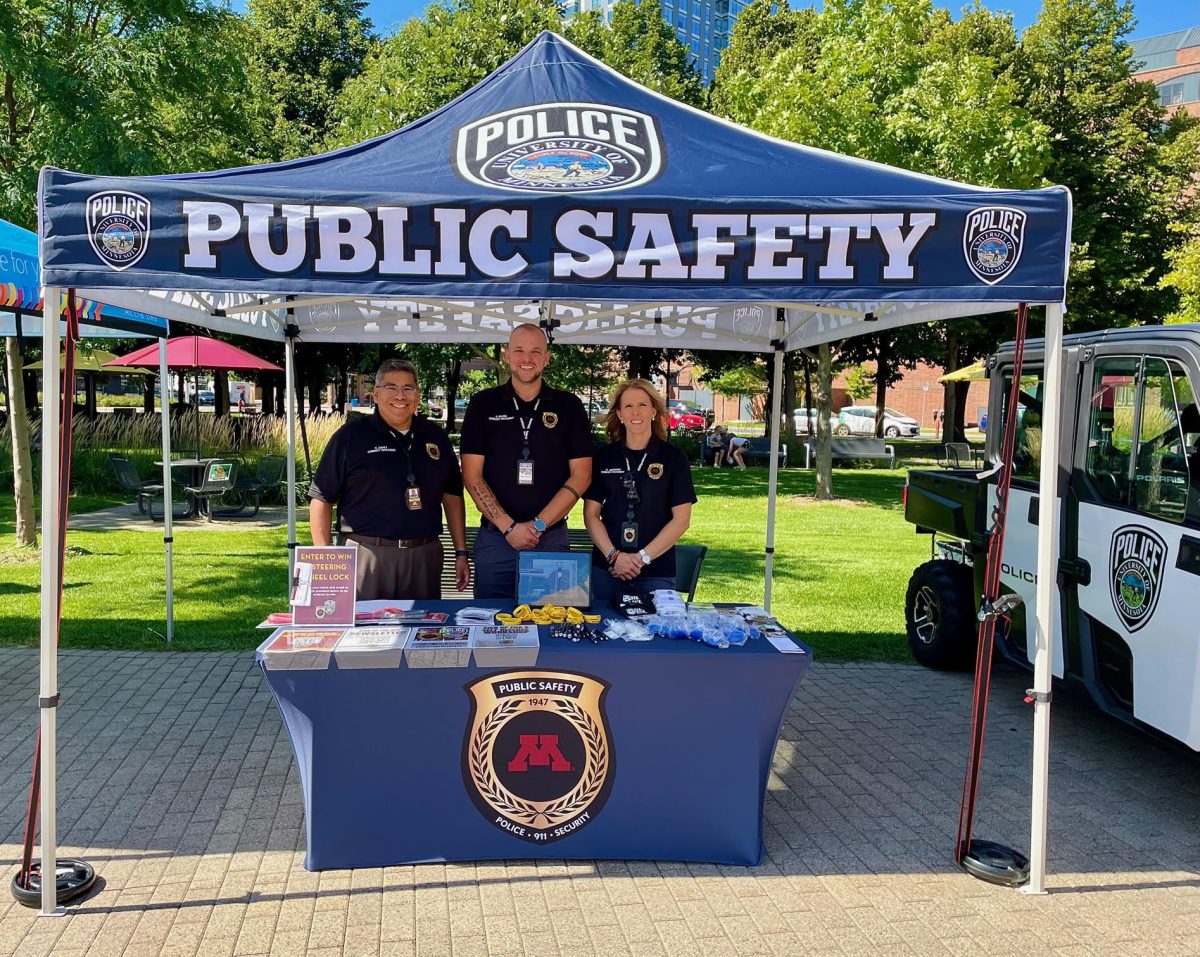
Crimes against members of the gay, lesbian, bisexual and transgender community are on the rise, especially in the Midwest, according to the 2008 National Coalition of Anti-Violence Programs Hate Violence report. Minnesota has seen an increase in hate crimes by 300 percent since 2006, according to OutFront Minnesota , a GLBT advocacy group that completed the Minnesota portion of the report. That figure is the second highest increase in the country, behind only Milwaukee. Rebecca Waggoner Kloek , OutFrontâÄôs anti-violence program director, said anti-GLBT crimes have gotten more violent over the years. In Minnesota, there was an 81 percent increase in the number of incidents reported to law enforcement, according to the report. Despite this increase, only 18 percent of incidents are reported. More than 40 percent of violence victims required emergency or hospital care, according to the report. Murders are up 28 percent in the nation since 2007 , according to the report, at its highest rate since 1999, Kloek said. Reasons vary as to why there is an increase in incidents. Kloek said it could be attributed to more people reporting incidents to police, the scrutiny of gay marriage and the everyday language society uses to identify GLBT people. âÄúâÄòThatâÄôs so gayâÄô is a license to hate and a license to harm and we hear âÄòthatâÄôs so gayâÄô all the time,âÄù she said of using the word âÄògayâÄô synonymously with âÄòbad.âÄô Anne Phibbs , director of the GLBTA Programs Office on campus, said taunting and bullying can lead to violence as well. Phibbs, who identifies herself as a lesbian, said she has experienced harassment. âÄúWhen someone drives by and yells âÄòdykeâÄô out the car, which [has] happened to me, I donâÄôt consider that necessarily violence but I consider it harassment,âÄù she said. Phibbs said she thinks the University of Minnesota campus is safe as far as violence, but incidents have occurred. She noted incidents of homophobic slurs written in the resident halls, which she said can create an unsafe environment. Alyssa Sison , one of the co-chairs of the Queer Student Cultural Center , said she has never experienced a problem on campus. âÄúAt the âÄòUâÄô especially, from what IâÄôve seen, a lot of students are very open-minded about a lot of things,âÄù she said. Tom Edmonds , a mass communications senior, said he has also had a positive experience at the University as an openly-gay student. He said some of his GLBT friends at other universities have had a different experience. âÄúI have one friend back home in South Dakota, who goes to a small Baptist school, which is a totally different experience, so I definitely feel fortunate to be here,âÄù Edmonds said. If incidents of harassment or violence occur, GLBT people can contact University police. Phibbs said it is important that UMPD knows how to respond to the GLBT community because victims should be able to trust law enforcement. âÄúIâÄôm proud to say that our office trains every new University police officer thatâÄôs hired,âÄù Phibbs said. Anti-GLBT crimes do not just affect GLBT people. Many victims of anti-GLBT crimes do not identify as gay. Kloek said a third of victims are not members of the GLBT community. One of the most important ways to prevent hate crimes is to speak up, Phibbs said. She said allies need to challenge their friends and challenge stereotypes by telling someone that using phrases like âÄòthatâÄôs so gayâÄô is inappropriate. One way the University is going to encourage this is through Welcome Week this fall. OutFront, among other groups, will be at Welcome Week hosting informational sessions about the GLBT community and how to be a good ally. Kloek said Welcome Week will be important because it will create a safer environment for new students who are GLBT. âÄúYouth who are going to college for the first time, very often they may be coming out for the first time,âÄù she said. âÄúIf all they hear is âÄòthatâÄôs so gay,âÄô then thatâÄôs not a very safe place to come out.âÄù
Report: GLBT hate crimes on the rise
In Minnesota, there was an 81 percent increase in the number of hate crime incidents reported to law enforcement.
Published June 23, 2009
More to Discover