
WHAT: The Minnesota Fringe Festival WHEN: July 30 – Aug. 9 WHERE: Various Twin Cities locations ItâÄôs time for the annual Minnesota Fringe Festival, the 11-day theater extravaganza that doles out stages by lottery rather than jury. That means a show about animal cracker genocide is just as likely to find a stage as a version of âÄúAlice in Wonderland âÄù in bondage (both are plays showing this year). For an idea of what this yearâÄôs lineup looks like, A&E interviewed the creators of three of the most thought/laugh-inducing shows. âÄúHorace Greeley the Lesser: On the Isle of Misfit ToysâÄù CREATED BY: J Roth WHEN: 8:30 p.m., July 30; 4 p.m., Aug. 1; 7 p.m., Aug. 5; 8:30 p.m., Aug. 7; 4:30 p.m., Aug. 8 WHERE: Augsburg Mainstage âÄúYou may wanna tell people itâÄôs kind of scary âÄòcause thereâÄôs an evil dictator who takes over the island. HeâÄôs not very nice at all,âÄù warns J Roth, creator and star of âÄúHorace Greeley the Lesser: On the Isle of Misfit Toys.âÄù As he climbs in and out of a small washtub and metallic fighting gear, he also switches between two personalities: Roth, the man behind the play, and Horace, the star. Putting on a large pair of black rimmed glasses and a flying helmet, he turns into Horace and goes on to explain the premise. The Isle of Misfit Toys is a concept created in the 1964 TV film âÄúRudolph, the Red Nosed Reindeer,âÄù which also deals with âÄúthe land of defect sends,âÄù the island where mal-manufactured toys like trains with square wheels and âÄúCharlies-in-the-BoxâÄù are sent. âÄúThereâÄôs a lot of culpability in the land of the correct sends for whatâÄôs going on out there,âÄù he explains. âÄúBut people donâÄôt want to hear that; they donâÄôt want to be preached to.âÄù Horace takes out a Speak NâÄô Spell named Fu, who could probably be considered the lead supporting actor. Fu takes the journey with him to The Isle of Misfit Toys, although âÄúhe doesnâÄôt want to go back.âÄù âÄúHe speaks in his own language,âÄù Horace demonstrates, pressing some letter buttons. âÄúHe can say things like âÄòI amâÄô and âÄòu r a yâÄô âĦ that is, âÄòyou are crazy.âÄô He has trouble with sounds like âÄòcr.âÄô âÄù Switching back to Roth, he explains that about eight people contributed to the creation of the play, but counting the role played by several toys, the show has 13 members. âÄúHorace GreeleyâÄù is a production of Walking Boxes, a theater group that operates out of Roth and his cousinâÄôs neighboring houses. While the two cousins now share creative ideas, they werenâÄôt into making Christmas plays of their own in their childhood. âÄúWeâÄôve been playing music together since high school. My earliest memory of him is that we were having a baseball bat fight. He knocked my thumbnail off. We used to battle together,âÄù Roth said. But rather than violent war scenes, the battles in âÄúHorace GreeleyâÄù are musical battles. âÄúWhatâÄôs important for me is to not use violence to fight but to use music,âÄù he says as Horace. âÄúEvery being has a resonating frequency, and if you can find theirs, you can calm them down. When I fight with these toys IâÄôm trying to find a frequency that will calm them down. I donâÄôt want to kill them or anything. Although âĦ there is some killing in this play.âÄù âÄúRumspringa the MusicalâÄù CREATED BY: Jake Scott WHEN: 7 p.m., Aug. 1; 10 p.m., Aug. 2; 7 p.m. Aug. 3; 5:30 p.m., Aug. 6; 10 p.m., Aug. 8 WHERE: Augsburg Studio âÄúWe just wanted to think of some kind of romance that would be the most ridiculous and unexpected romance to ever happen. Amish people and robots, how different can you be?âÄù Jake Scott, creator of âÄúRumspringa the Musical,âÄù said. The play centers on the rite of passage in the Amish culture that is Rumspringa, where a young adult gets to enter into regular culture and decide whether or not they want to commit to the Amish way of life. âÄúRumspringaâÄù is a comic take on the ritual, featuring 14 musical numbers inspired by everything from âÄúGreaseâÄù to the plays of Andrew Lloyd Webber, but taking the most inspiration from the Disney classics that Scott and his friends grew up watching. The lyrics feature plenty of love themes and the occasional recitation of the digits in pi. ScottâÄôs favorite line is when the robot says, âÄúItâÄôs strange. I canâÄôt be certain, but I think IâÄôm developing feelings. This does not compute.âÄù âÄúRumpringaâÄù was originally a film that Scott and his friends entered into a film festival at the University of Minnesota-Morris, where they all attended college. After it won several awards, they decided to bring it to The Fringe Festival. âÄúI think itâÄôs rare that Amish people go on Rumspringa and decide not to be Amish,âÄù Scott said. But that was before serenading robots entered the scene. âÄúOopsâÄù CREATED BY: Jasmine Rush and Colin Waitt WHEN: 7 p.m., July 31; 8:30 p.m., Aug. 2; 5:30 p.m., Aug. 5; 10 p.m., Aug. 6; 1 p.m., Aug. 8 WHERE: Minneapolis Theatre Garage The preview for âÄúOopsâÄù features one of the best Doritos Late Night Taco placements in history, as female lead and University of Minnesota alumnus in theater Jasmine Rush drunkenly asks âÄúDo you wanna eat my taco at midnight?âÄù and her gay friend replies, âÄúOnly if youâÄôll eat my summer sausage.âÄù This excerpt isnâÄôt part of the actual play, but was part of a teaser/preclude that the group made for The FringeâÄôs website. A series of still frames with dialogue, the video is a taste of the eclectic and edgy humor in their story of a gay guy who accidentally gets his best friend pregnant in a night of drunken reverie. Rush explains that when Colin Waitt, co-creator and fellow University theater alumnus, wrote the script, he was âÄúreally thinking about what would just not be good right now in our places in life.âÄù Despite trends of accidental pregnancies in modern cinema (âÄúJuno,âÄù âÄúKnocked Up,âÄù âÄúSaved!âÄù), Rush insists that âÄúOopsâÄù isnâÄôt trying to add any kind of angle to the public dialogue. âÄúWeâÄôre not trying to make a political statement or anything like that. Granted it is a black straight woman and a gay white male,âÄù she explains, âÄúIt really goes into what it is to grow up and assume responsibility of your actions.âÄù While that starts to sound heavy, the play tends to focus more on witty cultural dialogue, like different names for the vagina and what exactly âÄúthatâÄôs so gayâÄù just might mean.


On the fringes of The Fringe
A&E chats with the creators of three of The Fringe Festival’s most outrageous shows.
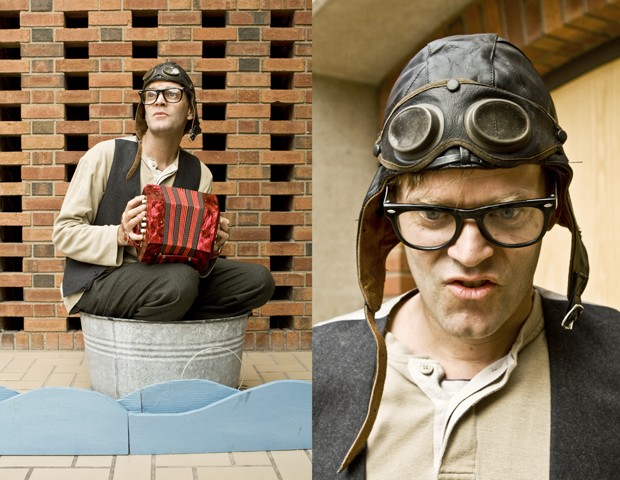
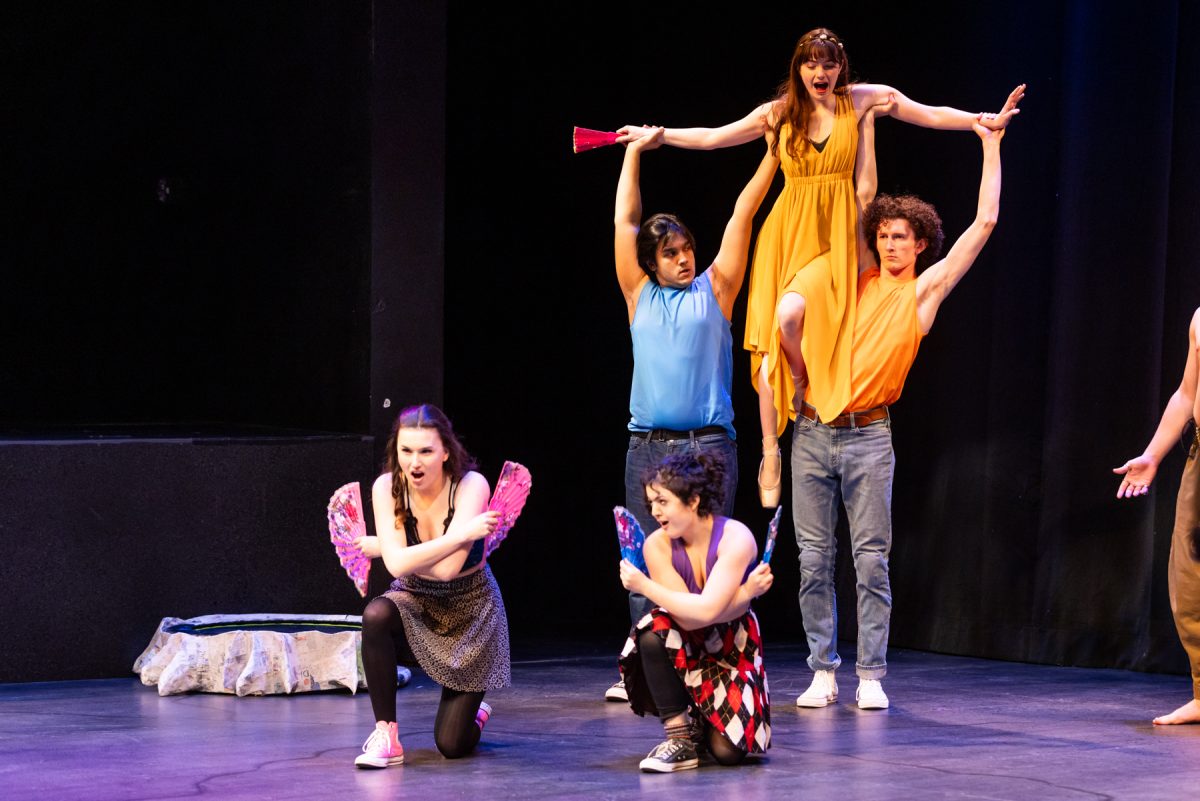
Image by Ashley Goetz
Published July 28, 2009
More to Discover