

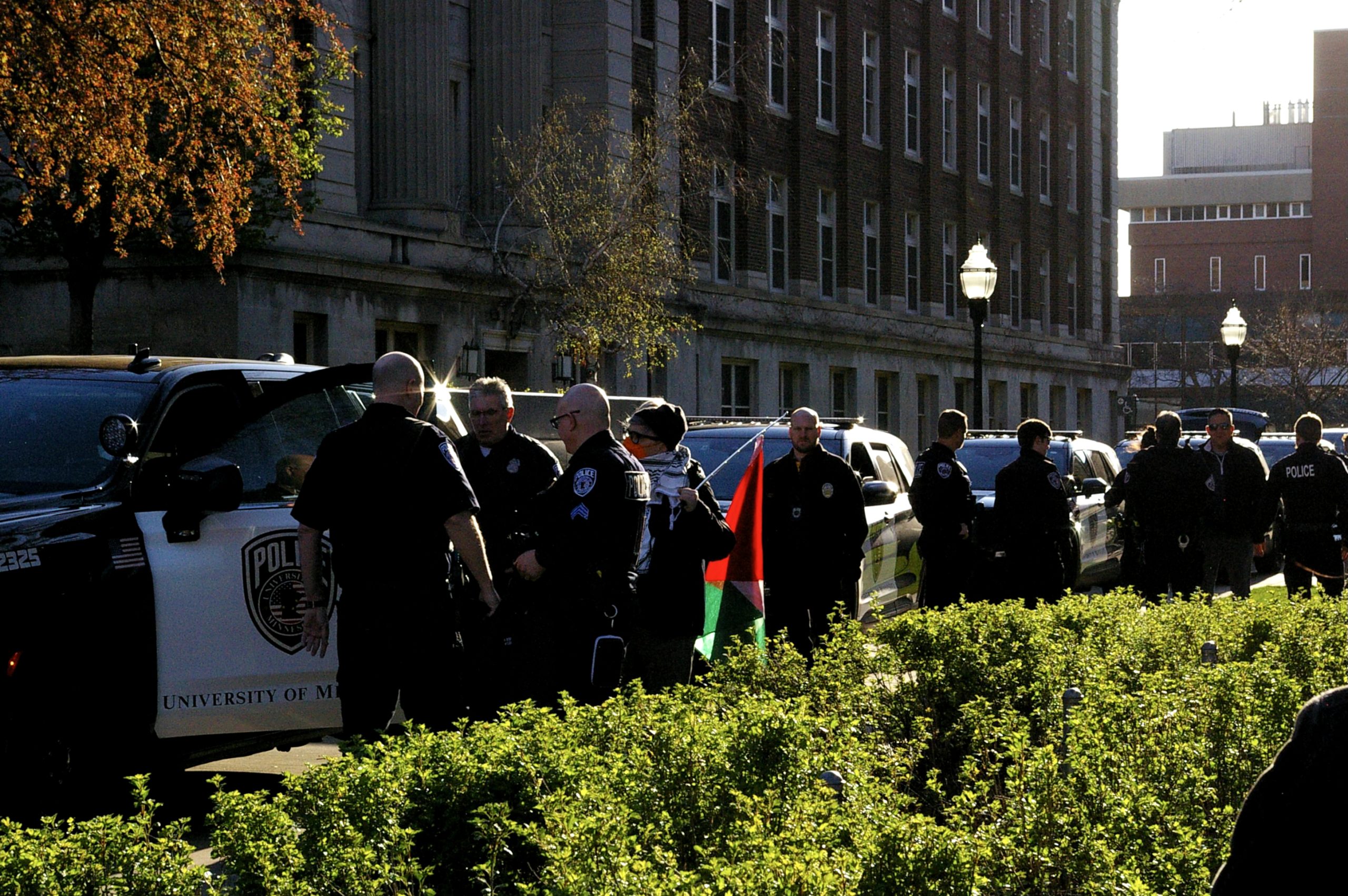

Neighborhoods surrounding the University of Minnesota have seen a spike in several different kinds of crime, many of which have been alcohol related, University police said. Some community members blame the increase in crime on the new football stadium. Incidents involving assaults, disturbances, loud music, parties and other alcohol-related crimes during football game weekends have all increased since 2008, according to police. Reported fights during weekends this football season have more than doubled since last year, and reports of loud parties have increased 35 percent, according to police reports. âÄúBoth the numbers and the anecdotes from the neighborhoods are consistent that this [behavior] is some aspect of the culture now,âÄù University police Chief Greg Hestness said. This fall, University and Minneapolis police started a program called Enhanced Police Coverage , which uses 12 officers from University and Minneapolis police departments to combat crime, mostly on game weekends. âÄúWeâÄôre certainly seeing a lot more foot traffic and a lot more parties,âÄù Marcy-Holmes Safety and Livability Committee member Eric Nauman said. âÄúWhat is new is we have a stadium in the neighborhood.âÄù Hestness said police might increase patrols to curb behavior. Specifically, police may keep a closer eye on 15th Avenue Southeast. âÄúWe have seen 15th Avenue as sort of an artery between Como and Dinkytown,âÄù he said. âÄúWeâÄôve gotten reports of hundreds of people at night stopping and trying to get into one party or another.âÄù Police say the increase might be part of a natural cycle. âÄúA quarter of the [student] population turns over here every year, and culture changes a little bit,âÄù Hestness said. âÄúSome years theyâÄôre more responsible and sometimes theyâÄôre less responsible.âÄù Through the first four weekends of the semester there were 41 fights in southeast Minneapolis. Last year there were 20. Several of these fights have involved University athletes. Many fights occurred after people were rejected from parties, Hestness said. âÄúWeâÄôve had at least one stabbing and one assault in situations like that this year,âÄù he said. Empty beer cans and public urination have also perturbed neighbors, Nauman said. âÄúI hate picking cans up in the mornings. ItâÄôs distasteful,âÄù he said. âÄúAnd I donâÄôt like looking out the window and seeing somebody urinating on my lawn.âÄù Police have received multiple reports of urination and unlawful behavior, and the new pattern of lawlessness is hurting student relationships with residents, Hestness said. âÄúAn older neighbor said a couple of individuals stopped her car in the middle of the street, put their hands on her hood and turned around,âÄù Hestness said. âÄúOne guy dropped his pants and mooned her and made sure he exposed his private parts at the same time.âÄù An unknown solution To combat students or houses that have repeatedly been cited for loud parties or hosting underage consumption, an officer checks police reports for party-related offenses at the end of each weekend. Lieutenants from University and Minneapolis police departments search reports and send warning letters to certain offenders. Houses face steeper penalties if they appear more than once in police reports, Hestness said. Marcy-Holmes Neighborhood Association Director Melissa Bean said police should adopt a no-tolerance policy with partying in University neighborhoods. âÄúThere is a whole side of our neighborhood where thereâÄôs no adult supervision,âÄù Bean said. âÄúThatâÄôs where the problems have happened and the Dinkytown riots occurred.âÄù There have been 85 disturbance reports in the first four weeks this year, compared to 61 in 2008, according to police. âÄúWe take pride in this neighborhood, and we hope they would too,âÄù Bean said, adding that police should have sent a message to students by imposing harsher penalties earlier. âÄúIâÄôd like to see zero tolerance for any partying,âÄù Bean said. âÄúIf thereâÄôs underage drinking, noise problems or behavior problems âĦ I think that zero tolerance is the only way to get the word out.âÄù Police are going to continue the Enhanced Police Coverage program and may change patrols to combat any repeated trouble spots, Hestness said. âÄúThrough enforcement efforts, or through a little more compliance, we can start bringing relief to the neighbors,âÄù Hestness said, âÄúbecause theyâÄôre pretty upset.âÄù

Neighborhood crime spikes
Some community residents blame the new stadium for an increase in alcohol-related crime.
Published October 18, 2009
