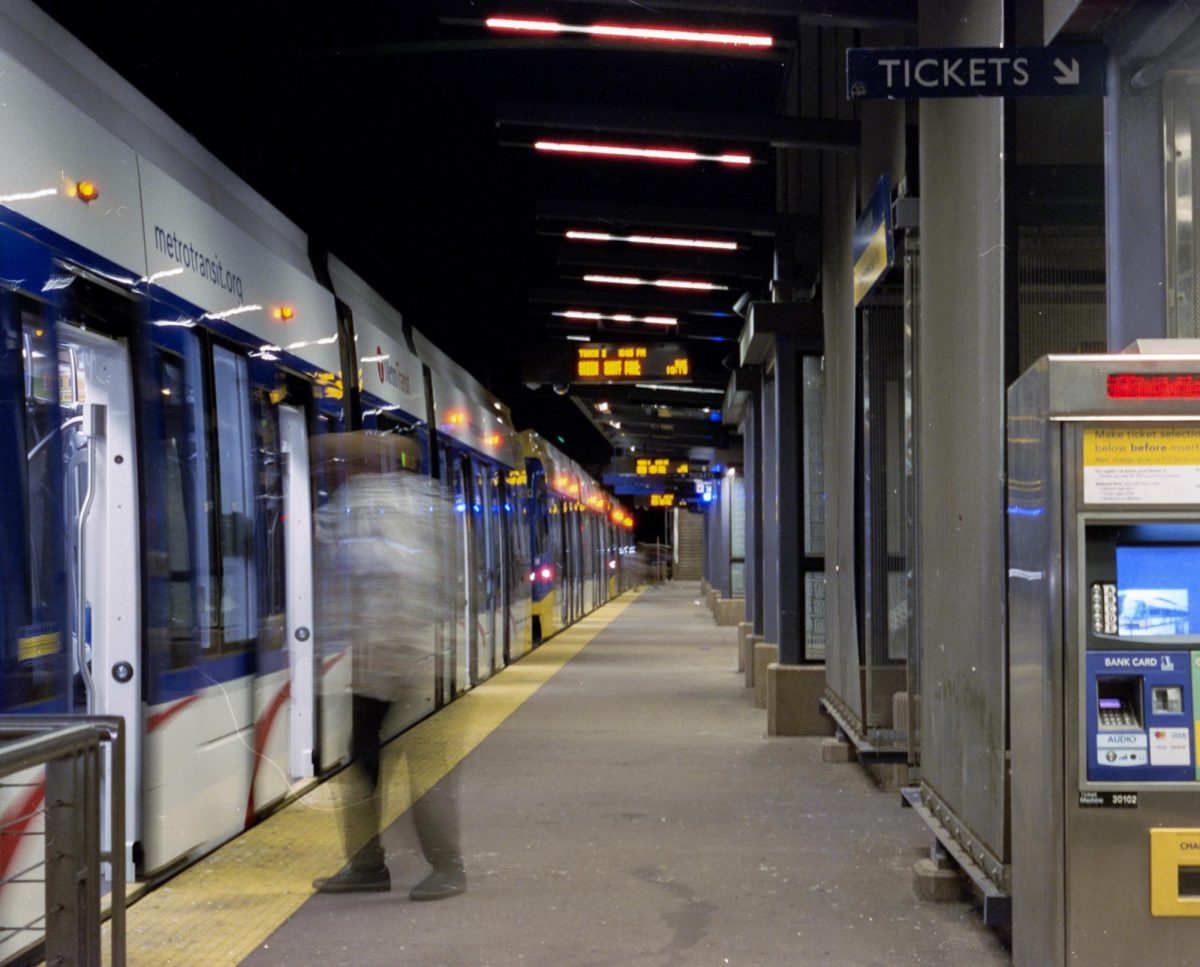


The Central Corridor Funders Collaborative hopped on a bus on Oct. 22 to educate those affected most by the Central Corridor light-rail line, which is scheduled for completion in 2014. The partnership includes 11 members from local and national foundations who ensure that residents, businesses and surrounding neighborhoods will share the benefits of investment in the line. Polly Talen , co-chair of the Knight Foundation said the benefits of the line outweigh any potential issues. She said light-rail from St. Paul to Minneapolis will lower transportation costs for commuters and lead to the development of new business along the corridor. The nearly $1 billion project will travel down University Avenue in St. Paul. Mayor Chris Coleman said the project is a milestone for the city. âÄúThe opportunity with light- rail coming into this corridor is unprecedented,âÄù he said. âÄúWe have to do this right. We have to tackle the challenges presented.âÄù Some challenges include increased property values and taxes, displacement of residents and businesses during construction of the line and a decrease in street parking. Under current plans, 87 percent of on-street parking will disappear along University Avenue between Raymond Avenue and Rice Street. âÄúAn opportunity for development does not come without concerns we need to be aware of,âÄù Coleman said. On Wednesday, a group representing Asian businesses on the Central Corridor line filed a federal complaint against the Metropolitan Council claiming that the line would do more harm than good to St. PaulâÄôs minority community. Nieeta Presley , of the Aurora-St. Anthony Neighborhood Development Corporation , said the partnership is working toward providing businesses and residents with venues for discussion. âÄú[The line] will create a business community that thrives, grows and survives,âÄù she said. âÄúA new market for the businesses in this community is coming … a facet centered on cultural heritage.âÄù John Couchman , co-chair of the Funders Collaborative, said the group understands that action will affect thousands of St. Paul and Minneapolis businesses that line the corridor on University Ave. âÄúThis is about much more than simply constructing a light-rail line,âÄù Presley said. Coleman said the intention of the line is to provide businesses and residents with opportunities, not hardship. âÄúOur goal is that no one goes out of business and that no one loses their home as a result as this venture,âÄù he said. Couchman said the Funders Collaborative invests in organizations that create corridor-wide strategies that address many of the concerns raised. It has invested nearly $5 million since 2007 for the project. Couchman said that the line will provide necessary development to the community through investment in St. Paul and Minneapolis infrastructure. âÄúItâÄôs not just about transit, itâÄôs about maximizing opportunities for the people who live and work in the corridor,âÄù he said. Jasmine Thomas , who is a member of the collaborative and the program director of the Surdna Foundation based in New York, said national support for transit opportunities such as light-rail is necessary. âÄúNationally, other [states] are looking at this corridor as a model for what communities can do [in the future],âÄù she said. âÄúThis collaborative has the unique potential to positively impact ethnically and economically diverse communities along the border [of the corridor].âÄù
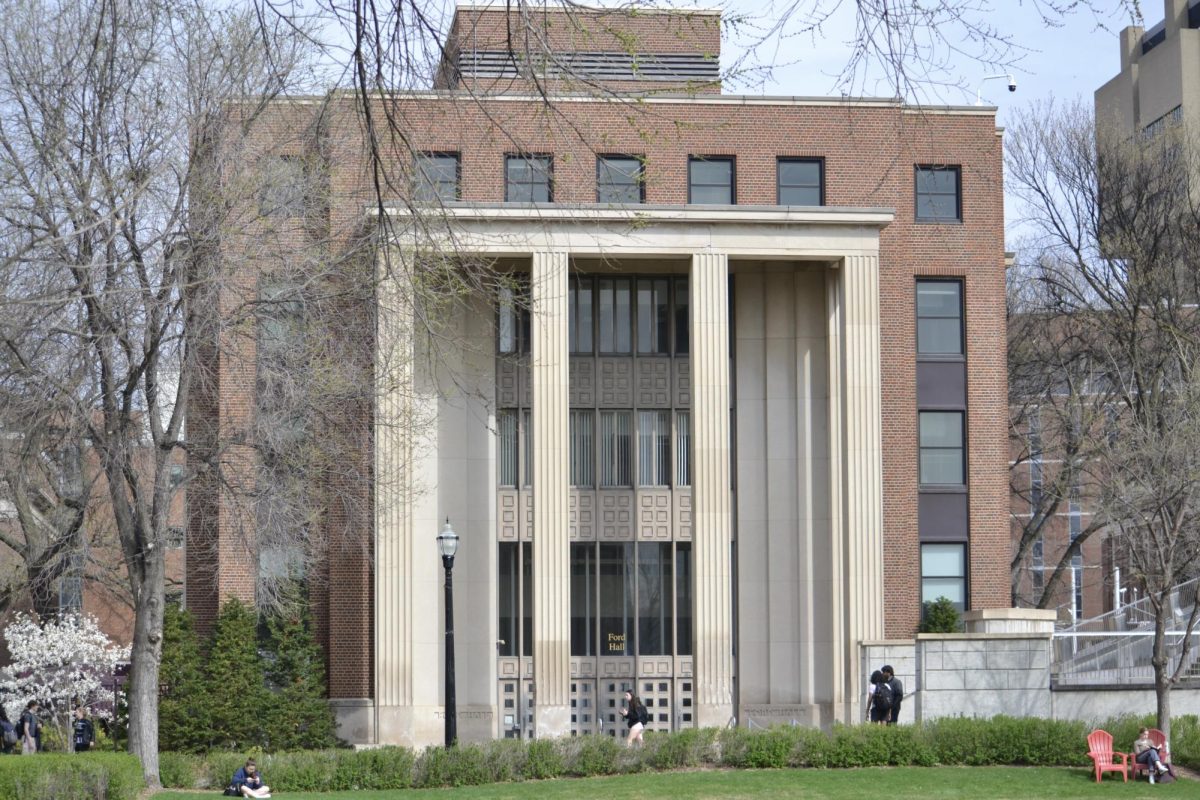


Community leaders address light rail concerns
The Central Corridor Funders Collaborative ensures security and development for St. Paul and Minneapolis neighborhoods affected by the light-rail line.
Published October 22, 2009
More to Discover