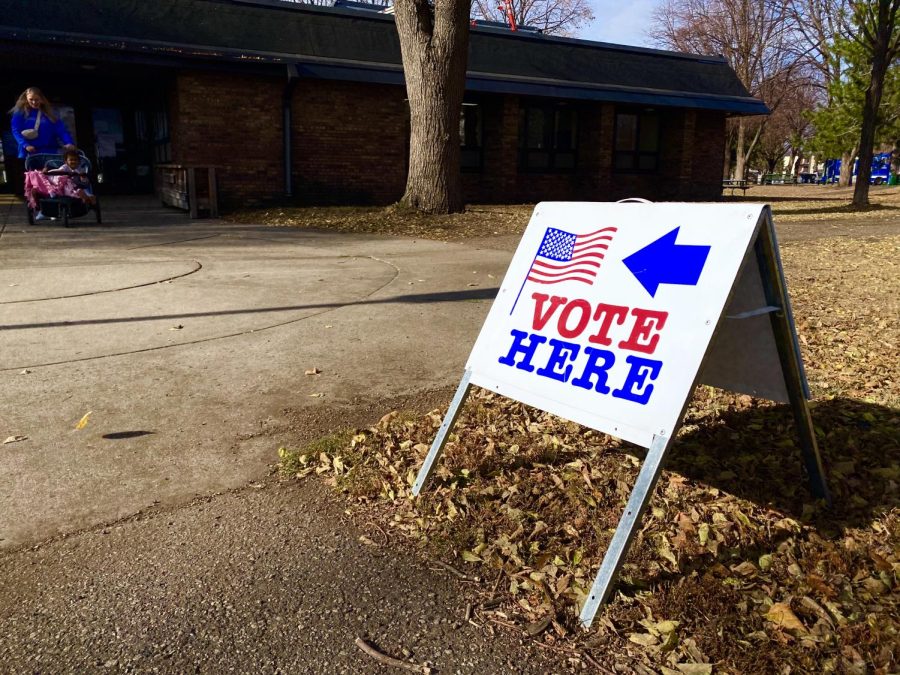



For the first time in city history, Minneapolis will use a voting method called instant-runoff voting, or rank-choice voting, in its Nov. 3 election. Adopted in 2006, officials call IRV a groundbreaking development for the city. Under instant-runoff voting, all ballots are tallied according to first-place choices. In a single-winner election, if one candidate wins a majority (50 percent + 1) of all first place votes, that candidate is the winner. If there is no clear winner right away, the candidate with the fewest first-place votes is booted, and the second-choice votes on those ballots become first-place votes. The votes are distributed, and the process is repeated until one candidate receives the majority of votes. In a ranked-choice system there are no primaries and only one election. Fairer Balloting? On Nov. 3, voters will cast ballots for MinneapolisâÄô municipal races such as the city council and mayoral elections. Voters choose from various candidates and rank them based on preference. In a normal election, the candidate with a majority wins. But, in a ranked-choice election, the second- and third-choice candidates can rally to trump an incumbent. Ward 8 Councilwoman Elizabeth Glidden said minority campaigns that typically do not have a chance of winning are able to present themselves without a primary. The Catch On Election Day, voters must make sure they have only one selection in any vertical column. If a voter doesnâÄôt do this on his or her first-choice column, his or her selections arenâÄôt counted. Officials said election judges will give voters new ballots if there are mistakes. Voters cannot vote for the same candidate on multiple columns. If that happens, he or she forfeits the chance to support other candidates if a first choice is eliminated. If a voter chooses to cast only a first-place vote, it will still be counted. âÄúVoters have up to three options, but you can still vote for only one candidate and have your voice heard,âÄù Pat OâÄôConnor, the cityâÄôs interim director of elections, said. Similar cost Jeanne Massey, the executive director of FairVote Minnesota, said IRV will reduce city costs in the future because primaries have been eliminated. âÄúElection night [polling places] will become one-stop shops for voters,âÄù she said. âÄúCost reduction is crucial in city elections.âÄù Instant-runoff voting elections will have similar costs as any other election because each vote must be hand counted following voting. âÄúElection judges [and counters] donâÄôt come cheap,âÄù Massey said. MinneapolisâÄô budget for IRV education is $75,000. OâÄôConnor said the city received a grant to aid in increased voter awareness for TuesdayâÄôs election. Hand counting âÄúHand counting takes us back to the days of paper balloting. Candidates will wait up to six weeks for results, but those results will be fairer and more accurate,âÄù OâÄôConnor said. At The Minnesota DailyâÄôs Ward 3 City Council debate last week, Councilwoman Diane Hofstede said IRV was an âÄúexperimentâÄù for the state. Her comment was criticized by Allen Kathir, a first-time candidate and her DFL opponent. He said Minneapolis shouldnâÄôt have to wait nearly eight weeks, as had been predicted by some city officials, to process votes. âÄúWe can send someone to the moon in a week âĦ it shouldnâÄôt take two months to figure out who won the election,âÄù Kathir said.


IRV voting to be unveiled in Minneapolis on Nov. 3.
Officials say rank-choice voting will promote fairer local elections based on competition and civic duty.
Published October 28, 2009
More to Discover