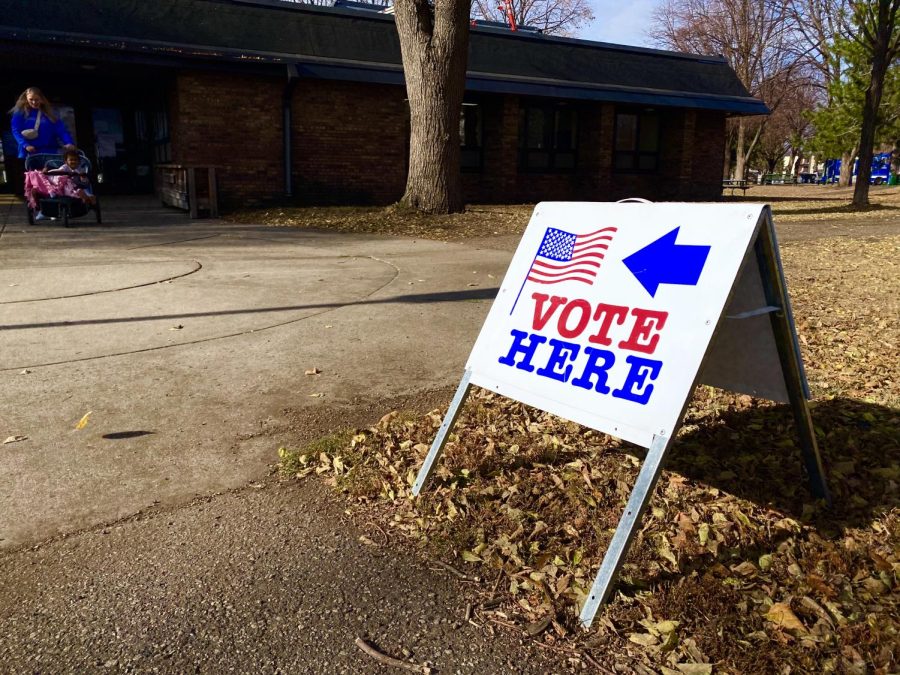
Minnesota is the most civically-engaged state in the country, performing better than the national average in nine key civic factors, according to an Augsburg College analysis. Minnesota Secretary of State Mark Ritchie said that Minnesota scored highly because of the wide variety of institutions working civically in the state, all of which are well organized and contribute to the larger whole. Specifically, Ritchie cited MinnesotansâÄô military service, civically-engaged businesses, and socially-active religious community as prime examples of MinnesotaâÄôs civic mindedness, while also mentioning voter turnout and the stateâÄôs school system. âÄúI think Minnesotans love this place we call home and we know that that requires that we take care of it,âÄù Ritchie said. âÄúBut we understand that loving someplace requires doing the hard work of keeping it well-maintained and investing in the future.âÄù Harry Boyte, co-director of the Center for Democracy and Citizenship at Augsburg College, s aid Minnesotans are known for giving more than taking, and that affects the civic health of the state. According to the report, Minnesota had the highest voter turnout of any state in 2008, with 77.8 percent of eligible voters casting their ballots. Additionally, 60.5 percent of Minnesotans volunteered last year; the national average was 39.9 percent. More than 25.2 percent of Minnesotans participated in a community project, which was more than the national average of 18.5 percent. The Center for Democracy and Citizenship moved from the University of MinnesotaâÄôs Humphrey Institute of Public Affairs to Augsburg College in 2009 because of fiscal constraints at the University, Boyte said. Ritchie and Boyte noted that students in general are also a large force behind civic involvement in Minnesota. âÄúStudents are citizens today; theyâÄôre not citizens in waiting, and their energy, their innovation âĦ is going to be key to the continued civic health of the state,âÄù Boyte said. MPIRG co-chair Jonathan Schober said that MinnesotaâÄôs history of civic involvement was one of the reasons he decided to leave his home state of Texas to attend the University of Minnesota. âÄúThe reason I got into MPIRG to begin with is that it does have such a big civic engagement focus and they donâÄôt sit on the sidelines,âÄù Schober said. âÄúStudents up here and people in general donâÄôt sit on the sidelines.âÄù
Minnesota ranks number one in civic engagement
Minnesota ranked number one in civic engagement according to the Center for Democracy and Citizenship.
Published November 2, 2009
More to Discover