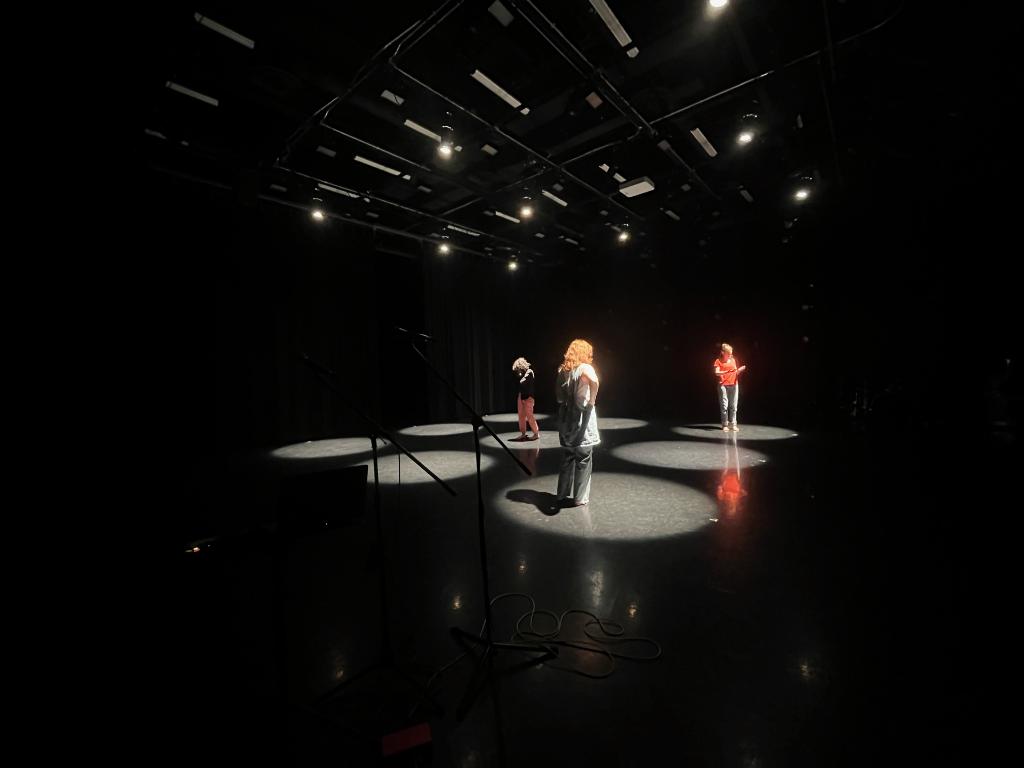


âÄúLandscape of the BodyâÄù WHERE: Minneapolis Theater Garage, 711 Franklin Ave. W., Mpls. WHEN: Nov. 6 âÄì 21 TICKETS: $8-18 Imagine a lounge singer in the afterworld, wailing while her still-living sister curls over her chair in a dank interrogation room. The suspect, in a flashy red dress, is prodded about her recently decapitated 13-year-old son, who had been hustling older gay men and stealing their watches. Now, place this whole scenario amidst the glittery disco, polyester leisure suits and âÄô70s splendor in Greenwich Village, and the result is Prufrock TheatreâÄôs inaugural production âÄúLandscape of the Body.âÄù âÄúThe beautiful thing about this play is that on the outset, it sounds gruesome,âÄù says Bethany Ford, artistic director of Prufrock and star of the show, âÄúBut itâÄôs presented in a wisely colorful, humorous way.âÄù The script is a quick-maneuvering drama interplayed with comedic moments, punchy puns and quirky pop culture references, all within the confines of an otherwise serious play. Leah Cooper, the productionâÄôs director, chose the play shortly after PrufrockâÄôs inception in early 2008. According to Ford, Cooper âÄúchose âÄòLandscapeâÄô because she felt that it really was a good inaugural piece for this company. It did a beautiful job representing all walks of life, particularly in America.âÄù In fact, nearly no American story is left untold. The play includes the dreaming-too-big single mother, a Cuban immigrant who wears evening gowns over his three-piece suits as a display of his newfound American wealth and a neurotic ice cream truck driver from South Carolina. Capturing this moment in American life was not a simple task considering Prufrock TheatreâÄôs mission statement. The theater company focuses on âÄúfinancial and socioeconomic accessibility,âÄù says Ford, âÄú[Prufrock is] targeting people who are oppressed. They donâÄôt go to theater because their stories arenâÄôt being told and because they canâÄôt afford a ticket.âÄù No matter the theaterâÄôs tight budget, the company pulled off a play equal to more high-budget Minneapolis theaters. The props and stage equipment are simple âÄî probably hand-me-downs or thrifted gems. The costumes, however, are not always time-appropriate for the 1970s or the 2000s and revolved frequently enough to suit the flashbacks and interrogation room. No matter the actual decade in which the play is set, the themes are never irrelevant. âÄúThe opening monologue is a look at the Kennedy compound,âÄù said Ford. âÄúThere are so many parallels between the Obama administration and the Kennedy administration. ItâÄôs very much of the now. âÄúYes, we’ve been through hell, but we can hope for better days,âÄù Ford said. Though in that hope, Americans should pray that it never comes to the metaphorical decapitation of a son stealing watches from aged gay men to inspire change.


The Prufrock Theatre takes on social stratification
Beheadings, pimps and even low-ticket prices all come up in our investigation (not really) into the new Prufrock Theatre.
Published November 11, 2009
More to Discover