

Last weekâÄôs gloomy state financial forecast could mean steep cuts to funding for the University of Minnesota. With a projected state deficit of $1.2 billion for the current biennium and a $5.4 billion deficit looming in 2012-2013, the University could see millions more in state funding cuts in attempts to balance the state budget. âÄúThe news is not good for the University,âÄù said Sen. Sandra Pappas, the DFL chair of the Senate Higher Education Committee. Pappas said higher education can expect to be impacted by the state deficit because Gov. Tim Pawlenty called for cuts across the board. The state has already used up its stimulus money from the federal government, she said, so a deficit for the current biennium means going back and readjusting the current budget. Pappas said higher education makes up about 9 percent of the stateâÄôs budget, putting its share of the deficit at $130 million, but a cut that large would be unlikely due to regulations regarding the distribution of federal stimulus money. Federal regulations required states to fund their higher education institutions at their 2006 levels at minimum, or the states would be ineligible to get stimulus funds for higher education. In 2011, the University is set to receive $627 million from the state. Legally, the state could cut that amount down to what it was in 2006, which would reduce funding by about $36 million, said University Chief Financial Officer Richard Pfutzenreuter. Pappas said that number could go higher, but specifics wonâÄôt be known until the legislative session starts in February. Pfutzenreuter said the University isnâÄôt expecting cuts to be made to the current yearâÄôs state funding because the money is connected to an appropriation of $89 million in additional federal stimulus dollars. Pappas agreed that cuts to the current year would be unlikely, as most of the current yearâÄôs funding has already been distributed, but she said lawmakers have until the end of June to make any final adjustments to the 2009 budget. âÄúNo one is going to know until itâÄôs actually talked about again during the session. I donâÄôt expect that theyâÄôll do it, but I donâÄôt have a clue,âÄù Pfutzenreuter said. The University is discussing continued reduced spending and areas where budget cuts could be made to meet fewer state dollars, Pfutzenreuter said. Aside from raising tuition, which he said would be a last resort, âÄúeverything is really on the table,âÄù he said. Pappas said her committee has been asked to draw up a proposal for the governor outlining possible cuts before the legislative session starts in February. âÄúWeâÄôre caught between a rock and a hard place,âÄù Pappas said. Pappas said recent tax cuts along with the national economy are to blame for the need to cut higher education funding, and she suggested tax increases as a means to bring in revenue to supplement the budget. âÄúI think itâÄôs bad policy, bad for our state, bad for our state economy, bad for the students,âÄù Pappas said. âÄúI donâÄôt think that this is the way we have a secure future for the citizens of the state,âÄù she said. Pappas said that without another federal stimulus package, the projected $5.4 billion deficit for the 2012-2013 biennium would be âÄúdevastatingâÄù for the University. âÄúThe fear is when that federal money goes away [in the upcoming biennium], thereâÄôs going to be a big hole unless the state funding comes back up,âÄù Sen. Claire Robling, R-Jordan, the minority leader of the committee, said, âÄúwhich it doesnâÄôt look like itâÄôs going to be able to do any time soon.âÄù Last spring, the UniversityâÄôs two-year budget from the Legislature was cut by $105 million. In June, Pawlenty cut University spending by $50 million in unallotments in efforts to balance the state budget. âÄúWeâÄôre only in the beginning of figuring this out,âÄù Pappas said. âÄúWe just got the forecast, so we donâÄôt really know what weâÄôre going to do.âÄù
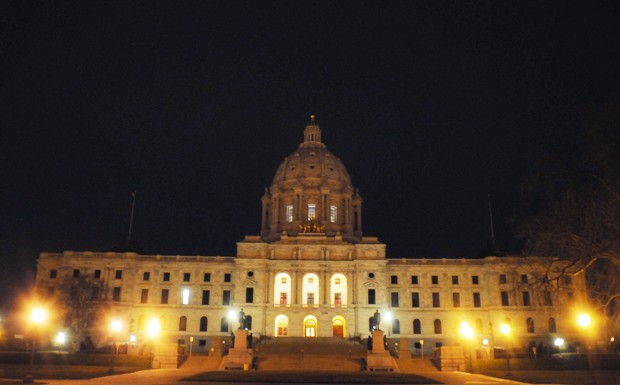
Image by Jason Kopp
State deficit may drain U funds
The University could see millions more in state funding cuts in attempts to balance the state budget.
Published December 7, 2009