
Jewish Culture Month is in full swing at the University of Minnesota, and itâÄôs bringing more than free matzo ball soup to University students. Andrew Zimmern, host of the Travel ChannelâÄôs âÄúBizarre Foods,âÄù along with award-winning writer Rudy Maxa, will speak Thursday night at the Humphrey Center. The UniversityâÄôs Hillel Jewish Student Center invited Zimmern, a practicing Jew, and Maxa to speak about food and culture in observance of the Jewish month of Adar. According to Jewish tradition, Jews are commanded to be joyful and celebrate during the month. Maxa is the contributing editor for National Geographic Traveler magazine and television host of âÄúSmart TravelsâÄù and âÄúRudy MaxaâÄôs World.âÄù The travelers, who both currently call the Twin Cities home, plan to touch on a wide array of topics from bizarre foods to culture and even do some live demonstrations on dorm food at 7 p.m. in Cowles Auditorium. The Minnesota Daily took the opportunity to ask the two about exposing themselves to cultures abroad, food and where students can find opportunities to do so here in the Twin Cities. Why is traveling important? Zimmern: The more you understand about another culture, the better. The future of our world relies on the breaking down of barriers. The free export of ideas around the world will solve our ecological problems, our nutrition problems. WeâÄôre not going to think of globalized ideas on our own anymore. Maxa: This is a world where people need to understand other people. WeâÄôre not just living in our own little town, our own little state or our own little country. This is a time when we have to understand other cultures. The world is flat now. WeâÄôre all together and traveling helps us to understand that there are realities other than our own. What is unique about traveling at the traditional college age? Maxa: ItâÄôs a very special time, because thatâÄôs an age when youâÄôre still flexible. YouâÄôre still forming your ideas, opinions and conclusions about the world, and travel can certainly enhance all of those things. I think that somebody that goes abroad for the first time at the age of 60 will find it very interesting and have a terrific time, but they might not bring the same open-mindedness someone 40 years younger might. What travel tips do you have for college students? Zimmern: YouâÄôre going to see the Eiffel Tower, but itâÄôs better to be aligned with a non-governmental organization or nonprofit who is willing to fly you to Uganda to work on a water cleaning system. YouâÄôll meet real people and have a real experience in parts of the world that you can make a difference. You save money and you have an experience that will change your life. Seeing the Eiffel Tower didnâÄôt change my life. Having a meal in someoneâÄôs hut where they sleep on animal skins on the floor âÄî that changed my life. Maxa: I would say the destination of Thailand would be pretty high on my list, and Vietnam. Go to rural places in Europe, and if youâÄôre going to Rome, get out of Rome. I mean, Rome is fabulous, but if youâÄôre on a budget, youâÄôll do better with lodging and food. Everyone should know about the Lonely Planet [travel guides] âĦ and youth hostels are far superior to what they used to be; you donâÄôt even want me to describe some of the youth hostels I stayed in in my 20s. TheyâÄôre all Marriotts and Hiltons now. Where can people go in the Twin Cities to be transported to another culture? Zimmern: Head to University Avenue in St. Paul and Nicollet Avenue in Minneapolis and youâÄôll hear other languages spoken. Go to South St. Paul where Burrito Mercado is. I think that people will be surprised at how much vibrant Latino and Mexican culture there is to be scooped up. Midtown Global Market is an excellent place, too. Maxa: Anywhere along University Avenue there are a number of Asian restaurants, as well as off the extended Eat Street near Nicollet Avenue. I live near the St. Paul Farmers Market, and the number of Hmong families selling produce on the weekends is certainly interesting. Why is food so important to culture and travel? Zimmern: If you have a conversation over food, you have a conversation about things that we all have in common, not the things that separate us. Maxa: ItâÄôs hard to hate somebody you sit down to eat with, and you find out that their hopes and dreams are the same as yours. Where can people go to get a taste of Jewish culture in the Twin Cities? Zimmern: IâÄôve went down on record to say that the easiest way to make a killing would be to open up a good Jewish deli. There are some neighborhoods that are denser and have a more vibrant Jewish life taking place, but there is no shtetl. You really need to experience it in peopleâÄôs homes. ThatâÄôs why itâÄôs so exciting to have an organization at school and why I said yes right away. Because IâÄôm actually going there to get immersed in Jewish life. Because the Hillel Center is one of the few places other than synagogue that it can be done. What opportunities should students try to take advantage of at such a large school? Zimmern: I should have spent 20 percent more time focusing on things that would have had more value to me at the age of 22 to 35, like learning how to play in the same sandbox. âÄúPlays well with othersâÄù wasnâÄôt on my scorecard, and a big school, participating in a lot of activities and learning what other peopleâÄôs lives are like helps that. You have the opportunity to do that, so why not learn from it then?


Local travel celebrities speak at U
Andrew Zimmern and Rudy Maxa talked with The Minnesota Daily.
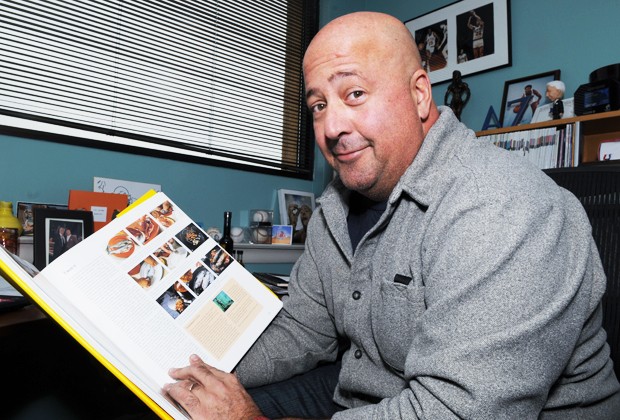
Image by Joe Michaud-Scorza
Travel Channel’s host of Bizarre Foods Andrew Zimmern talks about a culinary book in his office Tuesday. Zimmern will be speaking in Cowles Auditorium at the Humphrey Center with award winning travel writer Rudy Maxa at 7 p.m. tonight.
Published March 11, 2010
More to Discover