Four vie for director positions in diversity office

Finalists for the directors position of each office have been on campus sharing their ideas about how to tackle issues facing students.
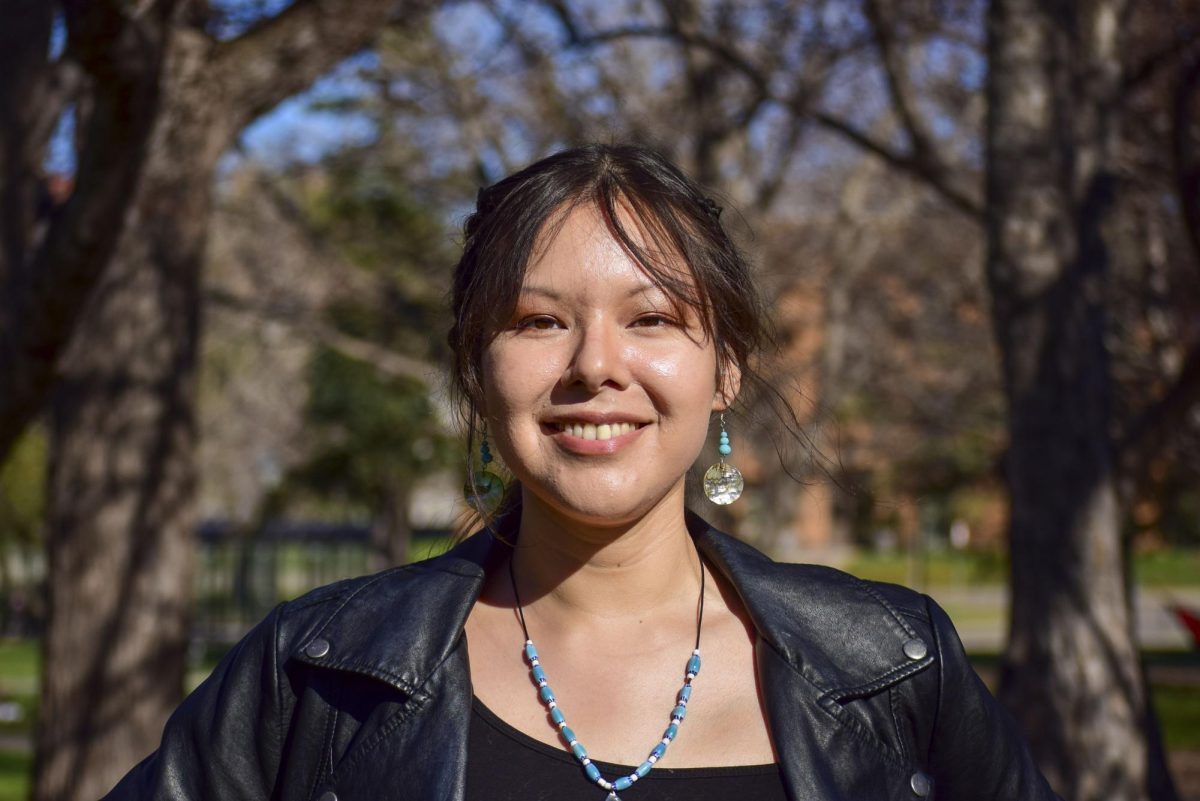
Left to right: Thomas L. Alexander III, Matthew Antonio Bosch, E. Frederic MacDonald-Dennis and Owen Marciano
By
  • Nicola Losik/Moira DuCharme
December 08, 2011

Over the past two weeks, finalists for director positions in the Multicultural Center for Academic Excellence and the Gay, Lesbian, Bisexual, Transgender, Ally Programs Office have talked with staff, students and faculty in public forums across campus to emphasize their vision for the two offices.

Director finalists’ ideas varied from addressing GLBT safety issues with the police, to facilitating honest conversation between polar personalities to address diversity issues.

The chosen directors could be appointed as soon as Feb. 1, said Rickey Hall, the assistant vice president in the Office for Equity and Diversity.

A big part of the new directors’ jobs will be identifying priorities and restructuring units to be more effective in the face of budget constraints, Hall said.

He said the office is searching for candidates that are grounded in social justice and have the vision and articulation to move the offices forward.

“It just can’t be about identifying the issues,” Hall said. “They must also have ideas for how to address those issues.”

He said public feedback is a “critical” part of the search process and encouraged students, staff and faculty to send him emails with their opinion, as well as fill out feedback sheets available at the forums.

Thomas Alexander and Frederic MacDonald-Dennis are both finalists for the director of the Multicultural Center for Academic Excellence. Matthew Antonio Bosch, Owen Marciano and MacDonald-Dennis are finalists for the GLBTA programs office.

Multicultural Center for Academic Excellence

Thomas Alexander

Alexander stressed the importance of facilitating “cross-cultural dialogue” between students with polar ideas so they can learn from each other.

In his “Free Food for Thought” program at the University of Alabama at Birmingham, Alexander encouraged students to “be a little uncomfortable but so they can learn.”

“If you have an environment where you have some level of civil discourse, those students will be able to hear a different perspective that they’ve never heard before,” he said.

He said students need to get “beyond the smiles and being nice” so they can leave the University without “biased thought.”

Alexander said multicultural affairs should be everyone’s responsibility, and staff at MCAE should collaborate with other departments to be a “one-stop center for information” for students from recruitment through graduation.

“[Students] will be able to come there and find out anything and everything they need to know,” Alexander said.

In his idea for a premier center at the University, he said MCAE would be able to provide or direct students to resources beyond tutoring and academic counseling, like housing.

Since 2004, Alexander has been the special assistant for diversity to the vice president of student affairs at Alabama and the director of the Office of Student Involvement since 2000.

Alexander is conscious of multicultural issues and expanded the role of multiculturalism in relation to the university, said Migdawlaw Yisrael, who works in the Office of Student Involvement.

She said the black male retention program was Alexander’s “brain child” and has grown to mentor more than 100 African American freshmen throughout their time in college.

Both

Frederic MacDonald-Dennis

One of MacDonald-Dennis’ main visions for both MCAE and the GLBTA office was to provide ready access to resources, like academic and personal support across campus so students don’t “flounder.”

“Students should not have to expend that amount of energy to really get a full college experience,” MacDonald-Dennis said.

He’s being considered for either position.

Both offices would engage in collaboration across the system in MacDonald-Dennis’ ideal center “so that GLBT [and multicultural] issues aren’t just positioned in the GLBTA [or MCAE] office but throughout the system,” MacDonald-Dennis said.

While MacDonald-Dennis was interim director of the Office of Multicultural Affairs from 2009 to 2011 at Haverford College, he brought GLBTA awareness under the office umbrella, Haverford College Dean Martha Denney said via email.

She said MacDonald-Dennis could build relationship bridges because he isn’t afraid to have difficult conversations.

He said he’s a strong supporter of a “pipeline” that encourages students to engage in these issues from a young age and follow them through higher education and as they become alumni.

“I’m a big believer in having a connection with K-12 communities,” he said.

As a self-proclaimed advocate for social justice education, he said the University of Minnesota could create a social justice immersion program with curriculum on sexism, racism, homophobia and other issues before students come to college. He said he coordinated a similar program for 30 students during his time at Haverford College.

GLBTA Center

Matthew Antonio Bosch

Bosch began by requesting that everyone at his public forum share their name and what they want the new director to do.

He then reiterated back the names of more than 25 students, faculty and staff present at the forum, without notes.

“Where I come from, students’ names are really important,” Bosch said. “You’re not just a number.”

It’s just another example of how Bosch is creative, high energy and charismatic, said Jane Reinke, vice president of academic affairs at North Hennepin Community College.

“He loves to come to work, and it shows,” Reinke said.

Bosch is the chief diversity officer at NHCC, a position that did not exist before he began in 2006. He has been instrumental in institutionalizing GLBT ally training for faculty and staff, Reinke said.

She said Bosch hosts well-attended workshops for students to raise GLBTA awareness, and organizes guest lectures and panels in different disciplines across campus.

In that capacity, he’s held a GLBT panel for a law enforcement class at NHCC, in what he calls “queering the popo.” He said as director, he wants to forge increased connections with the University police to address key safety and crime issues like police brutality or what to do when the gender on the license doesn’t match the person.

Bosch said it’s important to hold more events like conferences and vogue balls — dance competitions between African-American gay and transgender men — to be seen as a leader in bringing marginalized groups, like bisexual and transgender communities to the center.

Owen Marciano

Marciano is currently the transfer admissions coordinator at the College of Education and Human Development at the University. He was also previously the assistant director of the GLBTA programs office for four years beginning in 2004.

As director, Marciano wants to create a “culture of allies” where students, faculty and staff can be their whole selves.

He emphasized a “community-driven” and “student-centered” GLBTA center which improves itself through feedback and evaluation from students and community members.

“I believe listening is just as important as speaking out, and learning is just as important as teaching,” Marciano said.

He said the University needs to implement education on privilege and how we oppress one another by increasing communications through “authentic relationships.”

“I don’t feel like we can build trust … if we’re not being authentic with each other,” Marciano said.

He comes with a strong community and campus network because of his ability to build relationships, said Arien Telles, who works with him in CEHD student services.

“Owen has an incredible capacity to bring people together, particularly students,” Telles said.

In doing so, he wants to create a committee on racial equity to guide the office — like the Transgender Commission does on initiatives like health insurance policies and bathrooms.

But, Marciano said, policy change is not the only answer — the University must transform its culture to make GLBTA students, faculty and staff comfortable being themselves.

He said he would create opportunities like a tri-fold service learning internship that would benefit the GLBTA office, the University campus and the community.

He said all of these needs have been “bubbling up on this particular campus the entire time that I’ve been here.”

Minnesota Daily Serving the University of Minnesota Community since 1900
New look in BETA | Send feedback x