
It’s cold out there, Gophers. The back to school buzz has faded away and we’re struggling to convince ourselves to go outside again. Though winter isn’t going away anytime soon, we can at least trick our brains into thinking that the cold is a fun, quirky thing to experience by attending winter festivals, markets and concerts.
All venues in the Twin Cities require proof of full vaccination or a negative test within three days of show dates. Events allow all ages unless otherwise noted.
1.Great Northern Festival Events
The Great Northern puts on about two weeks of winter festivities every year, focusing on the beauty of Minnesota’s frigid cold season. Though their programming already began last week, there’s plenty of attractions left in the first week of February, including gems like Dance Church at First Avenue, Winter Hiking 101 and many more.
Check out the full list of events here. Prices vary, events run until Feb. 6
2. “Forget Me Not” Exhibit Opening
Local artist and recent University of Minnesota graduate Mark Khan’s first solo photo exhibit will be on display at Coffman Union starting Feb. 3. The opening is open to the public and will feature food and drink, a Q&A with Khan and live music. Free, more information here. Feb. 3 to March 30
3. Scream It Off Screen Short Film Competition
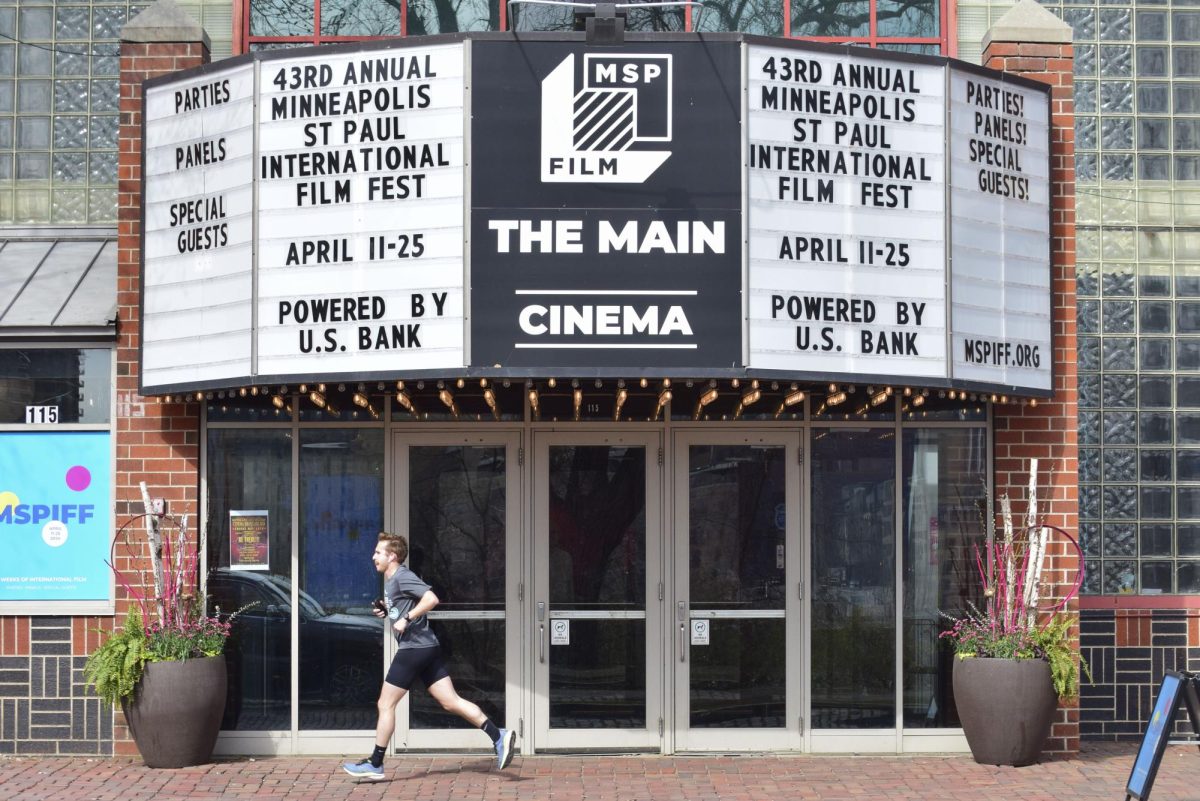
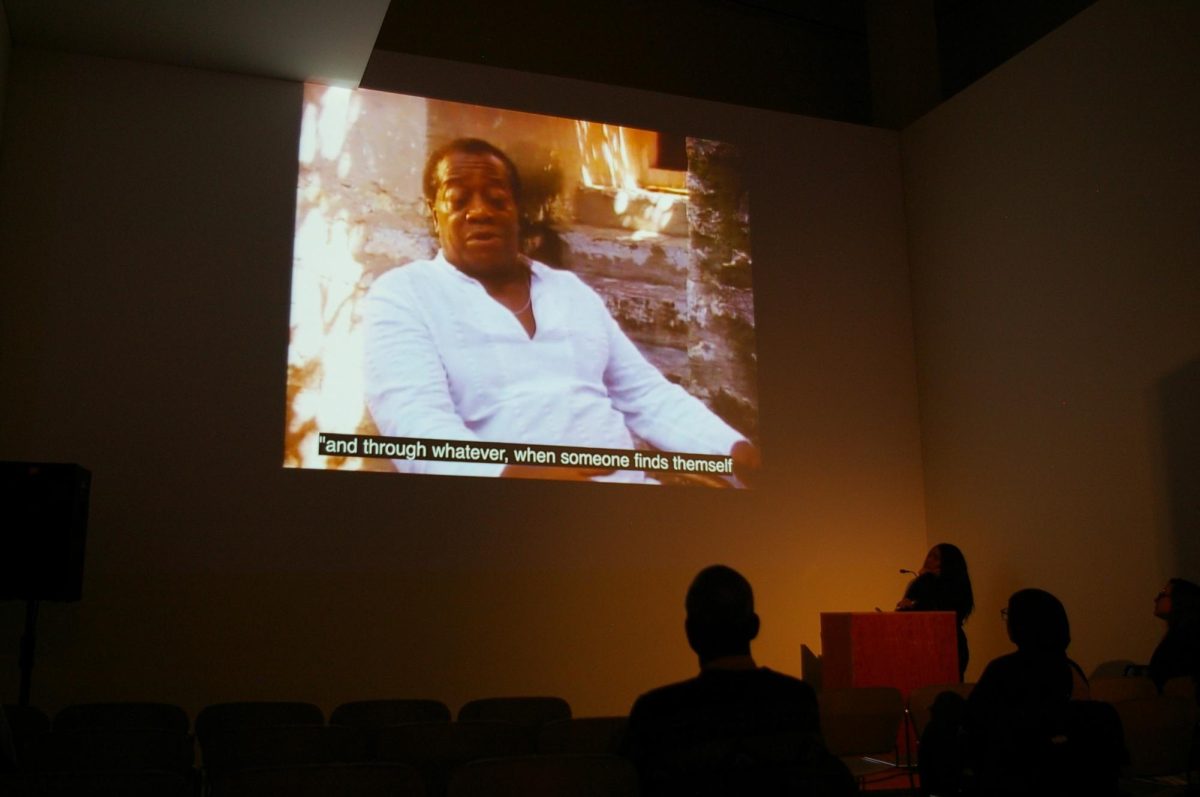
How do you feel about amateur cinema? Do you enjoy loudly booing things in public? Do you constantly seek out the rush brought on by the angry pang of a gong as scores of other people around you also boo? Try visiting one of the Scream It Off Screen events at the Parkway Theater on the first Friday of every month. During these short film competitions, audience members are tasked with deciding who gets the gong (losers) and who gets sweet, sweet prize money. Submissions are open to anyone and everyone, for free! Tickets to the event are $10. 18 plus, Feb. 4
4. Speed-Dating with Apparel Design Seniors
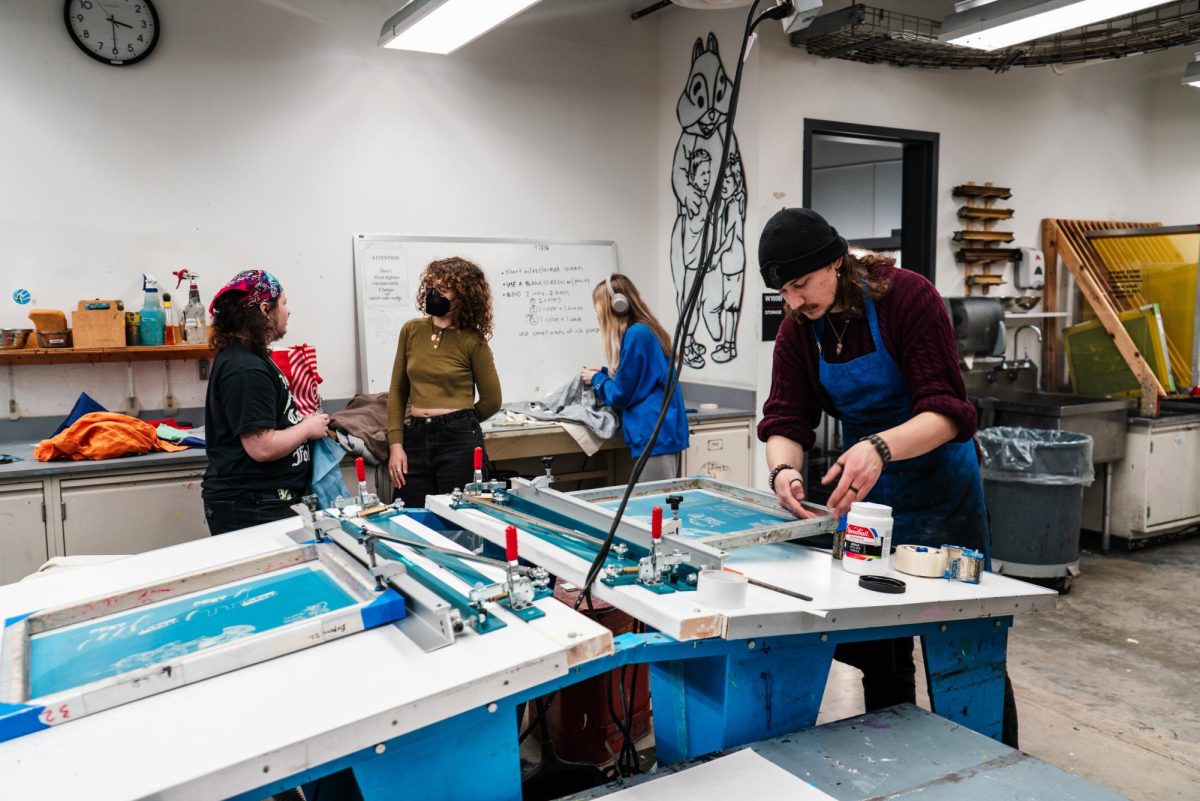
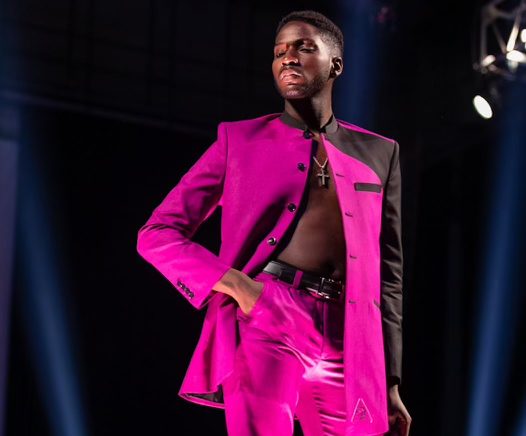
Explore a different kind of senior thesis showcase with University apparel design students at “Sundry. Multidimensional Design” this Saturday. At the event, all visitors will engage with designers and hear about their work in a rapid-fire, speed-dating style Q&A. Following the opening at Rapson Hall, the senior thesis exhibition will be on display in the Cargill Gallery at Hennepin County Central Library from Feb. 8 to March 24. Free, more information available here. Feb 5
5. Minneapolis Vintage Market at Machine Shop
Find your next big thrift haul at this month’s Minneapolis Vintage Market. The event covers two floors in the industrial space, offering a plethora of pre-loved goodies, and will include a Get Down Coffee Co. popup, food trucks and music by DJ Buster Baxter. Tickets are $10 for early admission and free after noon. Feb. 6
6. Battle of the Bands at the Whole Music Club
Starting Feb. 4, the University’s Battle of the Bands will pit your favorite student bands against each other in a jam to end all jams. Every Friday night in February, visit the Whole in Coffman Memorial Union’s basement to enjoy live performances throughout the elimination process. The winner will be chosen during Spring Jam in April. Free, more information here. Every Friday in February.
7. Bad Suns at the Fillmore
The post-punk, indie rock, California-based band are currently touring their fourth album “Apocalypse Whenever,” which was released in January of this year. Supporting acts include the psychedelic Kid Bloom and Dallas-based indie rock band Little Image. Tickets start at $24 and are available here. Feb. 10
8. Black Business is Beautiful Market
Visit the Black Market’s once-monthly market to connect with community members, shop for last minute Valentine’s Day gifts and support local small businesses. This month’s market will be held in St. Paul’s Case Building and will host live entertainment, games, a multitude of different food vendors and plenty of goodies to peruse. More information here. Free, registration is encouraged. Feb. 12
9. Paul Taylor Dance Company at Northrop
The New York-based Paul Taylor Dance Company will visit Northrop Auditorium this month for an in-person performance of two of the company’s originals and a new piece choreographed by Peter Chu that was delayed by the pandemic. More information available here. Tickets start at $30. Feb. 12
10. Action Bronson and Earl Sweatshirt at the Fillmore
The two rappers will be co-headlining their ÑBA Leather World Tour with support from the Alchemist and Boldy James. The tour follows new releases from both artists, including Earl Sweatshirt’s 10-song project from earlier this year, “SICK!” and Action Bronson’s “Only for Dolphins,” which was released in 2020. Tickets start at $60 and are available here. 18-plus, Feb. 12-13
11. MARINA at the Orpheum
The Welsh singer-songwriter will be touring her fifth studio album on the “Marina: Ancient Dreams In A Modern Land Tour” this Valentine’s Day. Tickets start at $40 and are available here. Feb. 14
12. Backseat Lovers at 7th St Entry
The Utah-based indie rock quartet will perform music from their 2019 album “When We Were Friends” with support from Over Under, another Salt Lake City indie quartet. Tickets start at $25 and are available here. Feb 15
13. Winter Beer Dabbler at the Minnesota State Fairgrounds
Enjoy samples of Minnesota-made craft beverages, food trucks and live entertainment at the first Winter Beer Dabbler since 2020. Base tickets are $55 and include access to unlimited samples of beer and cider. Designated drivers can enjoy a price cut and free, non-alcoholic refreshments. Tickets are available here. 21-plus, Feb. 19
14. Alice Phoebe Lou at Turf Club
The South African-born alternative pop singer known for her eclectic, retro sound in songs like “Witches” and “Dusk” released two new albums last year, “Glow” and “Child’s Play.” She will be touring across the US and Europe for most of this year. Tickets range from $15-$20 and are available here. 21-plus, Feb. 17
15. Beach House at the Palace Theatre
Baltimore-grown Beach House, known for their intoxicating instrumentals with Tumblr-era songs like “Space Song” and “Lazuli” are coming to Minneapolis on their “Once Twice Melody” tour. Tickets start at $45 and are available here. 18-plus, Feb. 26
16. Lucy Dacus at First Avenue
“Night Shift” singer, boygenius member and indie sad girl singer-songwriter Lucy Dacus will be touring her latest solo album, “Home Video,” with support from bedroom pop artist Indigo de Souza. Tickets start at $20 and are available here. 18-plus, Feb. 17
17. Mike Birbiglia Live! at Pantages Theatre
Softie comedian Mike Birbiglia, known for his many specials including “What I Should Have Said Was Nothing,” “My Girlfriend’s Boyfriend” and “Thank God for Jokes” will be visiting the Twin Cities for three nights this month to perform his latest solo show, “The Old Man and The Pool.” Tickets start at $43 and are available here. Feb. 17-19
18. Tyler, the Creator at Target Center
Following the 2021 release of “CALL ME IF YOU GET LOST,” the rapper’s sixth studio album, he’s touring with Kali Uchis, Vince Staples and Teezo Touchdown. Tickets start at $25 and are available here. Feb. 20
19. Faye Webster at Fine Line
The indie folk pop darling, known for “Kingston” and “Right Side of My Neck” will be touring her latest album, “I Know I’m Funny haha,” with Kate Bollinger. Tickets start at $18 and are available here. 18-plus, Feb. 21
20. “Pretty Woman: The Musical” at the Orpheum
The Broadway musical based on the cult classic 1990 Julia Roberts film of the same name (which was inspired by the song “Oh, Pretty Woman” by Roy Orbison and Bill Dee) is hitting the road this year. Tickets start at $40 and are available here. Feb. 22-27